
About
Program Objectives
Canada is at a pivotal moment, facing interconnected crises that demand bold, coordinated solutions and cannot be solved through siloed approaches. We need a new generation of researchers and innovators who can bridge disciplines, sectors, and worldviews to co-create solutions that are scientifically sound, socially just, clearly communicated, and easily transformed to policy and action.
TESS looks to respond to this need by fostering collaborative, integrative research and equipping trainees with advanced technical expertise and professional skills. Trainees’ technical discipline-specific training will be augmented with professional competencies in science communication, policy engagement, leadership, and knowledge co-production – allowing them to translate their research into meaningful societal and policy outcomes.
Researchers
Training for impact
TESS is made up of a team of researchers who each applies their disciplinary training in science and engineering to advance Canada’s role in sustainable development.
Using the United Nations Sustainable Development Goals (SDGs) as a guiding framework, our team of researchers work on projects spanning UNSDG goals including health (SDG 3), clean water (SDG 6), clean energy (SDG 7), infrastructure (SDG 9), sustainable cities (SDG 11), and climate action (SDG 13), while also addressing societal and environmental priorities such as education (SDG 4), gender equality (SDG 5), and reduced inequalities (SDG 10).
By pairing trainees with TESS researchers, TESS students will leave this program prepared to work across academia, industry, government, and communities, delivering research and work that is technically rigorous and socially responsible.
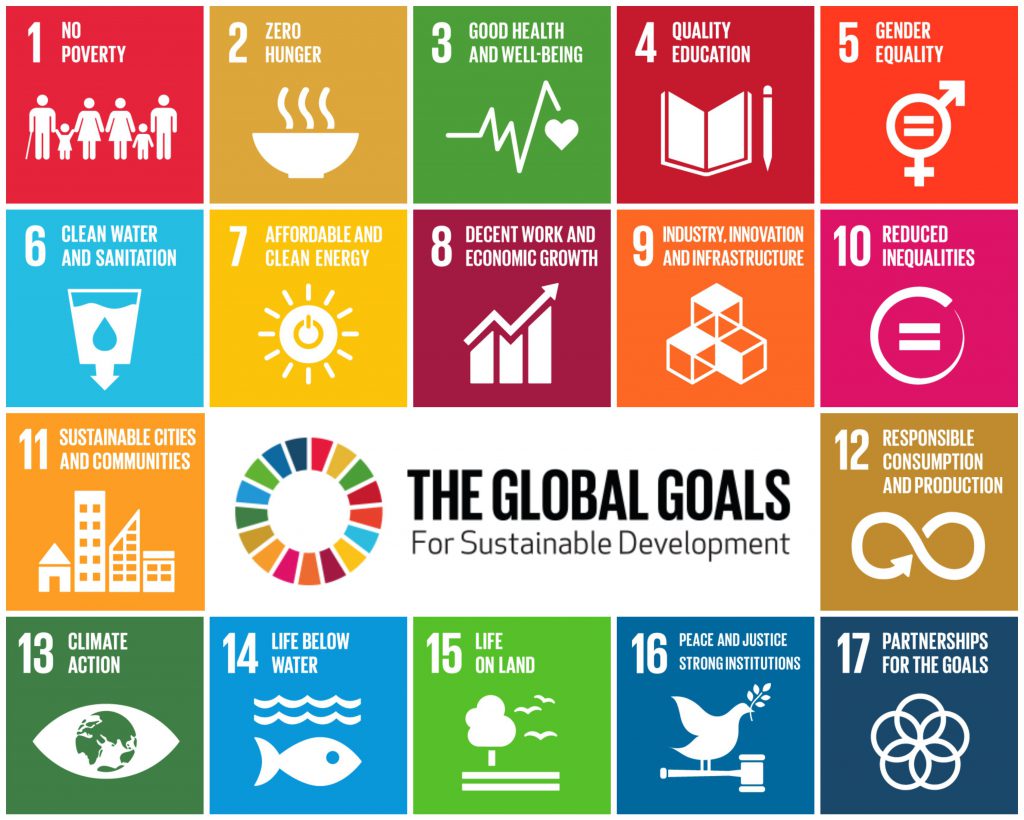
Figure 1. UN Sustainable Development Goals (source: sdgs.un.org).
How we work
A program built on collaboration
Our programs learning approach combines graduate training, interdisciplinary exchange, and research engagement so trainees can contribute to sustainability challenges with rigor and relevance.
Integrated learning
TESS builds capacity for interdisciplinary and transdisciplinary research by embedding collaboration, cross-sector engagement, and knowledge integration throughout its training. The four modules provide a common foundation across disciplines, introducing shared ethical frameworks, community engagement practices, communication strategies, and policy literacy to help trainees connect diverse fields and stakeholder perspectives.
Applied partnerships
We strengthen connections among trainees, faculty, and partners to support research that responds to real-world needs. Within the TESS program Interdisciplinary collaboration is further strengthened through mobility experiences with industry, government, NGOs, and community partners, where trainees apply their skills to real-world problems as part of multidisciplinary teams.
Get involved
Join the program
Explore opportunities to learn and collaborate in sustainability-focused research through NSERC CREATE TESS.